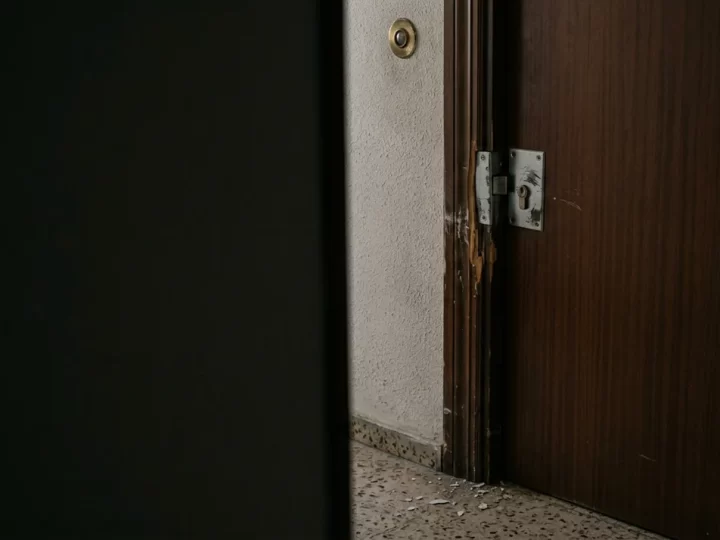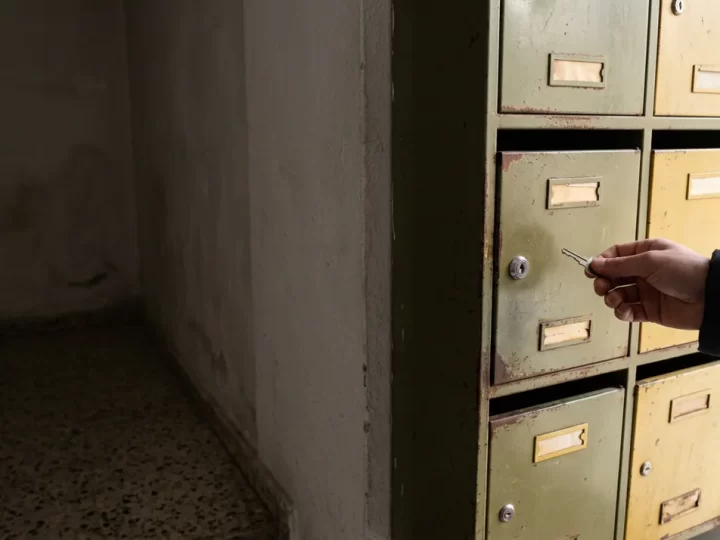
One key for several doors can make daily life simpler, but not every way to reduce a keyring is the same system. If you want the same key to open several private doors, ask about keyed-alike cylinders. If different people need different permissions, you may need a master-key plan instead.
Before ordering hardware, list the doors, their owners, who should enter each one and the locks already fitted. This simple map helps avoid incompatible purchases and changes to shared entrances without permission.
What does keying cylinders alike mean?
Several cylinders are prepared to work with one key. TESA ASSA ABLOY describes this for multiple private accesses or properties belonging to the same owner. The main benefit is convenience. The resistance of each door still depends on the chosen cylinder, lock, protective hardware, frame and installation. One key does not automatically make a door more secure.
Convenience also concentrates risk: if that key is lost, several entrances may be affected. Ask how authorised copies are ordered and what would happen if a key left your control. Do not assume that a new cylinder can simply be matched to any old key; the manufacturer, range and actual geometry determine what is possible.
ACCESS MAP
One key or different permissions?
Three facts to describe your project. This cannot check compatibility or design an access system.
Select what you know. This is guidance, not a quotation.
Answers stay in this browser and are not sent.
Keyed alike is not the same as different access levels
With a simple keyed-alike set, its intended key opens every cylinder in that set. A master-key system can assign different access rights to different keys. The distinction matters in offices and apartment buildings. If the shared entrance or garage is involved, start with the building manager and the locksmith service for residents’ associations, not an individual order for cylinders.
“One key for everything” is too vague unless you define who “everything” belongs to. A person opening two private doors is a different project from many residents sharing a lobby while retaining private apartment access. Write down the permissions first so a convenient shortcut for one person does not become an access problem for others.
An access passport for a clearer conversation
Describe the project in three columns without including addresses or key codes. The tool above points you toward a system type; this passport ensures the important facts reach the professional.
Which photos are useful?
A general picture of each door and a close view of the edge and outside hardware, without showing a readable key, card number or full address. A photo alone cannot establish compatibility.
What should be confirmed in writing?
The model and fit at each door, the number of keys, copy controls, installation scope and response to a lost key. Include the building’s permission where shared access is involved.
Checks that change the decision
Ownership and authority
Your front door, a rented storeroom and a shared entrance may have different owners. Do not commission changes to common areas without the appropriate approval. If you rent, establish the procedure with the owner before ordering parts. Carrying fewer keys is not a reason to skip this step.
Cylinder dimensions and function
Two European-profile cylinders can have different lengths. The protective escutcheon may require a particular fit, and a door may need a special function if a key is left inside. Our guide to measuring a lock cylinder explains the reference point, but the full door assembly still needs checking.
Key-copy control
Some ranges require a security card or manufacturer authorisation for duplicates. Ask what documentation is supplied, who can order copies and how the system will be recorded. Losing a card is not the same as losing a key. Read our guide to security cards and key copies if that is your main concern.
An existing fault
If the door rubs or the lock already fails, matching new cylinders may not cure the problem. The leaf or frame may need separate attention. Replacing hardware without understanding the symptom can leave you with the same difficult closing action and a new set of keys.
When to pause the purchase
Stop if the owner of an access is unclear, users need different permissions, a lock has an unusual format or an existing key may be compromised. Matching new cylinders to a key that is no longer controlled will not restore control. Establish the risk and authority first; then compare systems and prices.
Think about future expansion too. You may add another door, change tenants or need a spare key. Ask whether the chosen range can be extended and what records must be kept. The true cost includes managing the system over time, not just the first installation.
Follow the people through the building before choosing hardware
Consider an ordinary journey from your home to a privately owned storage room and then to a second entrance used by the same household. If every authorised person needs exactly the same access to all three doors, keying alike may be worth exploring. Change one fact: a neighbour shares the storage room but must not enter your home. Giving that person a copy of a single key would now grant an unintended permission. The problem is no longer how to carry fewer pieces of metal. It is how to keep each person’s access within its proper boundary.
A house with a private garden gate presents the opposite difficulty. The people who enter both spaces may be the same, while the lock mechanisms are not. One entrance may take a European-profile cylinder and the other a different format; exposure to weather may also change what hardware makes sense. The presence of a keyhole on both doors proves very little. Ask a professional to identify the actual components and their condition before committing to a shared-key solution. A quote based only on a front-door photograph cannot settle that question.
Owning several flats does not automatically make a single key suitable for all occupants. Property management and residents’ privacy are different concerns. A landlord may need a clearly authorised management arrangement, while each household needs its own private access. Depending on the building, that may call for a properly designed hierarchy of keys or entirely separate sets. Do not start by asking for a product called a “master key” and hope it solves the details. Start with who may enter which door and who must not.
Sometimes separate keys are the responsible answer. An annex let to another household, a workshop used by contractors or a property occupied only occasionally might need to remain independent from the main home. Carrying an extra key is a minor inconvenience compared with having to reorganise every linked entrance when a user’s access changes. The decision aid above is most valuable when it exposes this mismatch early, before parts are ordered and before anyone is promised a single-key result.
Build a small permission map that a locksmith can actually use
On a private sheet of paper, put one door on each row and one type of user in each column. Use roles such as “household”, “authorised relative”, “maintenance” and “building manager” only where relevant. Mark each intersection yes, no or not yet approved. There is no need to enter names, addresses or key codes into a public tool. If every private door has the same pattern of permission, a keyed-alike set may fit the brief. If the patterns differ, you are describing an access plan, not a simple reduction of keys.
This map clarifies a phrase that often confuses enquiries: “I want one master key.” One person may mean one key for their own doors. Another may mean a key that opens shared areas while individual residents retain private keys. A third may mean a maintenance key that works only in selected spaces. These requirements cannot be treated as synonyms. Tell the professional the permitted doors and the excluded doors for each role. That information is more useful than a marketing name for a cylinder range.
Repeat the exercise for a likely change of circumstances. What happens if a tenant leaves, a family member no longer needs a copy or a private annex is converted to a separate let? You do not have to predict every future event. You do need to disclose changes you already expect. If turnover is likely, the professional can explain whether the proposed system will remain manageable and what replacing or reassigning keys would involve. Convenience in the first month should not create an avoidable problem in the second year.
Give a shared lobby or community garage its own line. Passing through it every day does not make it your private door. The cylinder and copies affect neighbours and maintenance arrangements. Do not include a communal entrance in a personal order without the appropriate building decision. If the residents’ association wishes to review access as a whole, that is a separate project with an agreed scope and someone responsible for the records. The association service linked earlier is the appropriate route for that conversation.
What a front-facing photograph cannot establish
A picture of the outside fitting may show its approximate shape and perhaps a brand. It does not reliably establish the cylinder length on either side of the door, the cam, the position of the fixing screw or how a decorative covering changes the fit. Two doors that look alike can require different sizes. The guide to measuring a cylinder helps you understand the reference point, but it cannot certify the suitability of every component in the final assembly. A supplier should explain what still needs measuring before a firm order is placed.
Inside operation matters too. One household may prefer a thumb-turn on one door and a key on both sides of another. In a different situation it may be important that the outside key still works when a key has been left inside. Such functions depend on the particular model; they are not guaranteed merely because two cylinders use the same key pattern. Describe how each door is used, including the needs of people who might find a difficult turning action a problem. The new arrangement should fit daily life rather than forcing everyone to adapt to it.
Look at the hardware surrounding the cylinder without taking it apart. A loose escutcheon, a fitting that rotates or a cylinder that projects visibly beyond its protection deserves its own inspection. Keying the cylinders alike will not repair those faults. A clear proposal may include an additional fitting or an adjustment, but it should identify that work separately. Otherwise a homeowner cannot tell whether a higher quote buys a more suitable cylinder set or simply includes repairs that another quotation has omitted.
Different lock formats may rule out the exact arrangement you first imagined. A surface-mounted lock, a specialist mechanism and a standard European-profile cylinder cannot be assumed to share one manufacturer’s system. A professional who explains a limit is giving useful information. The alternatives may be a different product range, a separate key for one door or a larger plan of access permissions. The goal is a workable, authorised system, not a photograph of one key beside every entrance at any cost.
Security, copying and the cost of a lost key
Sharing one key does not certify resistance to attack or prove that each door is “high security”. Those claims belong to identifiable products and installations. Ask for the precise model and its documentation if a quotation relies on a performance claim. The surrounding lock, protective fitting, frame and workmanship still matter. It is possible to gain convenience without improving resistance; it is also possible to choose a sound product that does not fit a particular door. Assess both questions separately.
A missing key changes meaning when it opens several spaces. If it served only a storage room, the review may be limited. If it served your home and two private annexes, more entrances may need attention. That does not automatically mean every cylinder must be replaced. The circumstances of the loss, whether the key can be linked to the property and the options offered by the manufacturer all matter. Neither should you assume that making another copy restores control. Keep the system reference and ask what response the actual range allows.
Some ranges use a property or security card and a controlled process for duplicates. Such a card helps only if its custody is known. Agree who may request extra keys, how a request is verified and how many authorised copies are already in circulation. A photograph of the full key or readable card sent to an unverified contact is not a good way to begin. Ask the professional which minimum information is necessary to identify the product and arrange a safe assessment.
Tell each authorised user exactly which doors belong to the set. A key that opens the home and a private store does not necessarily open the shared lobby or every similar-looking lock in the building. Clear instructions prevent someone from forcing the wrong door and make reporting a lost key more useful. Record who received a copy and how to report a problem, while keeping that record somewhere appropriate rather than publishing it with a description of the property.
Read the quotation as an access plan, not just a price
Ask for a line for each door: proposed cylinder, fitting or function checked, and the labour included. The number of keys supplied should be explicit. If you need additional copies, ask what they cost and how they are authorised. Note the manufacturer and product range so that a later repair or extension can refer to the actual installation. You do not need an exhaustive engineering report, but you do need enough detail to understand what is being purchased and to compare like with like.
Separate confirmed work from inspection-dependent work. A rubbing leaf, damaged lock case or loose external fitting may need attention that is not part of simply changing a cylinder. The quote should say what is included and how any additional work would be approved. A cheaper total can hide a narrower scope. Ask which items are necessary for a functional result and which are optional improvements. This lets you decide without being pushed by a headline price that omits important conditions.
At handover, ask for a demonstration of every intended door while the door is open and the professional is present. Check that each person receives only the keys they should have, and that the system behaves as described. Keep the invoice, product identification and any copy-control documentation in a suitable place. A well-finished installation is not merely hardware that turns once. It is an arrangement that its authorised users understand and that can be managed when something changes.
If a third door might be added soon, say so before choosing the range. Some products permit extensions under defined conditions; others are constrained by format, availability or documentation. Ask what information must be retained and who can order an additional cylinder. A broad promise that “another can always be added later” is not enough. The answer has to refer to the chosen system and the mechanism already fitted to the future door.
Questions worth resolving before you order
Can my existing cylinders be reused?
Only a check of brand, range, dimensions, condition and the manufacturer’s options can settle that. Two keys that look similar do not prove two cylinders can be combined. Keeping a worn part solely to save material may be a false economy. The right answer may involve retaining one cylinder, replacing a group or leaving one entrance on its own key. Ask for an assessment before buying replacements online.
Will I need fewer physical copies?
You may need fewer different key designs, but every authorised person may still need their own physical copy. If three members of a household must enter the same spaces, one key kept in a drawer will not serve them all. Decide the number of copies from actual users and a sensible reserve, not from the impulse to order many “just in case”. Each extra copy is another item to control when permissions change.
What if someone no longer has permission?
Review which keys the person retains and which doors those keys opened. With a linked set, changing the access of one person can affect several doors. Do not assume that replacing one cylinder always solves the issue. Provide the installer with the access map and explain which other people still need entry. The response depends on the system and circumstances, but a clear inventory makes a proportionate decision possible.
Can a communal entrance be included?
That is not an individual choice. The residents’ association or building manager needs to consider neighbours, existing copies, maintenance and authority to change the lock. Having a key to the lobby does not make you its sole decision-maker. Keep that door outside a private order unless there is an approved building project. If there is, it should be designed and documented on its own terms.
What if I have already lost a key?
Begin with the possible exposure, not with the desire for a smaller keyring. Identify which doors the missing key opened and whether it might be associated with an address. Do not put those details in a public form. Explain them privately to a verified professional. They can assess what needs changing and whether the system supports any alternative response. Simplifying the keys can be considered afterwards, but it must not obscure the immediate need to regain control.
Should every door receive the same grade of cylinder?
Not necessarily. Each entrance has its own exposure, door construction, existing lock and pattern of use. The convenience of a common key should not tempt you to ignore those differences. Ask whether the proposed range offers compatible variants suitable for each door, and what evidence supports any claim about resistance or copy control. A private internal door and an external entrance may warrant different attention. The professional should explain how a shared-key plan fits the actual doors instead of treating every cylinder as identical because the keys will look alike.
How do I explain this without publishing a map of my property?
Use anonymous labels such as Door A, Door B and shared entrance. State the number of doors, their ownership category and the roles that should have access. A verified professional can arrange a private assessment of dimensions and hardware. Avoid posting a public photograph that combines your full address, an identifiable key and an access plan. You can still give enough information for a useful first conversation without revealing a complete route through the building. The aim is to describe permissions clearly while keeping the sensitive details in the right channel.
There is also no benefit in hiding uncertainty. If you cannot identify a lock model or are unsure who authorised a communal change, say so. A reliable quotation can distinguish what is known from what requires a visit or an approval. That is more useful than a confident-looking answer built on incomplete facts. The final arrangement should be explained to the people who will use it, documented for later servicing and tested at every intended door before the job is considered complete.
How to request a useful assessment
State the number of doors, which are private, who should enter and whether you want to keep an existing key. Photos of the hardware can help, but do not send complete key images or codes through an unverified channel. Ask for material, labour, included keys and any inspection-dependent work to be shown separately.
A responsible locksmith in Lleida may find that keying alike is possible, that one format must change or that a permission-based system is required. None of those answers should be promised by phone without examining the actual doors.
Want fewer keys without losing control? Tell us which accesses are yours and who needs them. We will explain what must be checked before quoting.
Technical background: TESA ASSA ABLOY on keying alike and its distinction from master-key systems. Exact terms depend on the product.
Reviewed content
Professional experience behind this guide
Serralleria Catalana reviews this content against real work with openings, locks, cylinders, doors and safes in Lleida. When price depends on the door, time, hardware or diagnosis, we explain that before giving a fixed figure.
- Published
- 11/11/2026
- Updated
- 11/11/2026
- Reviewed by
- Serralleria Catalana
- Standard
- Local experience, proportionate security and clear pricing.

Professional locksmith in Lleida with over 25 years of experience. I write to help you protect your home wisely — no jargon, no fear.